
Blog / Getting Paid
Retainage in Construction: How to Invoice & Get It Back
Retainage in construction explained: typical percentages, how to show retainage on progress invoices, how to bill its release, and how to get paid faster.

You finished the work, the invoice was approved, and the payment came in short. Not because of a dispute, but because the contract lets the owner or general contractor hold back a percentage until the project is done. That holdback is retainage, and on commercial and larger residential jobs it can add up to a real chunk of your profit.
This guide explains what retainage is, how it shows up on progress invoices, how to bill for its release, and what to watch for so it doesn't sit unpaid for months.
This article is general information, not legal advice. Retainage rules depend on your contract and your state. Talk to a construction attorney for your situation.
What is retainage?
Retainage (also called retention) is a portion of each progress payment that the payer holds back until a later point, usually substantial or final completion. Its purpose is to give the owner or GC leverage to make sure the work is finished and defects are fixed.
- Typical amounts: often 5% to 10% of each payment, set by the contract.
- Who holds it: the owner holds it from the GC, and the GC often holds it from subs.
- When it's released: commonly at substantial completion, final completion, or after the punch list and closeout documents are done.
Where retainage limits come from
- Your contract. The percentage and release conditions are usually written into the contract or subcontract.
- State law. Many states cap retainage on public projects, and some on private projects too. Some require retainage to be reduced after the project is 50% complete, held in an escrow or interest-bearing account, or released within a set number of days after completion.
- Federal projects. On federal construction contracts, the Federal Acquisition Regulation sets the framework; see FAR 32.103, Progress payments under construction contracts, and the federal Prompt Payment Act.
How retainage appears on a progress invoice
Each progress invoice should make the retainage math visible. The standard flow, used on AIA-style pay applications and most others:
- Total completed and stored to date
- Less retainage (percentage × completed to date)
- Total earned less retainage
- Less previous payments or billings
- Current payment due
- Balance to finish, including retainage
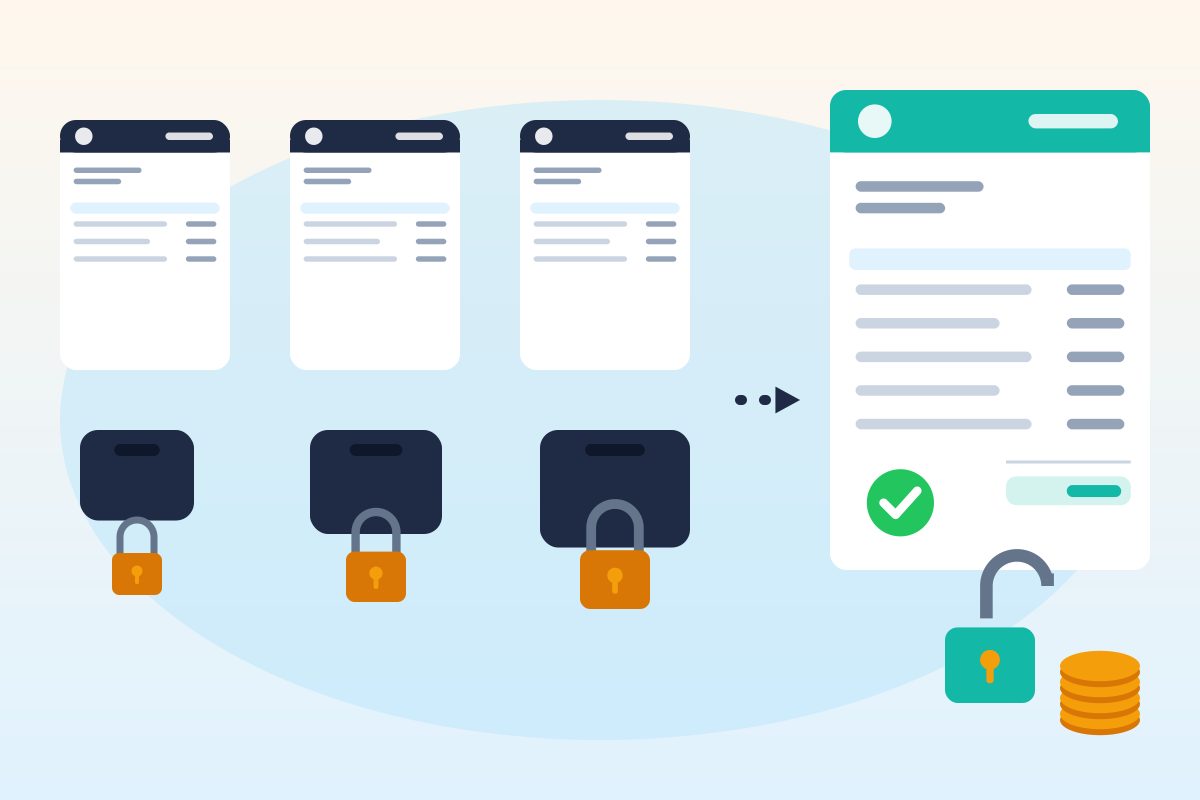
For how this fits into a full billing schedule, see Progress Billing for Contractors.
Retainage is easy to lose track of across months of invoices. SnipInvoice records each payment you receive against its invoice and shows what's partly paid or overdue, so the amount still held back stays visible. Draft each invoice by voice or text; anything it's unsure about is flagged, never guessed. See how it works.
Example: progress invoice with retainage
All names, numbers, and prices below are fictional examples, not pricing guidance.
Example Framing Co. (fictional) · 8 Sample Ct, Anytown, USA · License #EXAMPLE-F000
Bill to: Example General Contracting (fictional) · Project: Example Retail Center, 900 Demo Rd
Invoice #: 2026-207 · Pay app #: 4 · Period: through July 31 · Subcontract: $120,000 · Retainage: 10%
| Line | Amount (example) |
|---|---|
| Subcontract amount (incl. approved change orders) | $120,000.00 |
| Completed to date (80%) | $96,000.00 |
| Less retainage, 10% | −$9,600.00 |
| Earned less retainage | $86,400.00 |
| Less previous payments | −$64,800.00 |
| Current payment due | $21,600.00 |
| Balance to finish, including retainage | $33,600.00 |
Example only. Retainage percentage and rules come from your contract and state law.
Example: retainage release invoice
When the project or your scope reaches the release point, send a dedicated invoice for the retainage. Don't wait for the customer to remember it.
Example Framing Co. (fictional) · Invoice #: 2026-231 · Pay app #: 6 (final) · Date: October 15
| Line | Amount (example) |
|---|---|
| Subcontract amount | $120,000.00 |
| Completed to date (100%) | $120,000.00 |
| Retainage held | $0.00 (released) |
| Less previous payments | −$108,000.00 |
| Retainage release and final payment due | $12,000.00 |
Enclosed (example): punch list sign-off, final conditional lien waiver for $12,000.00, warranty letter, and as-builts per subcontract.
Example only.
Plan cash flow around retainage
Retainage is your money, but you won't see it for months. On a $120,000 subcontract with 10% retainage, $12,000 of earned income sits with the customer until closeout, while you've already paid for labor and materials. Before you bid, factor in how long retainage is likely to be held, and consider whether your price needs to reflect that wait. The SBA's manage your finances guide covers cash-flow planning basics.
How to get retainage released faster
- Know the trigger. Read the contract: substantial completion, final completion, owner acceptance, or something else.
- Finish the punch list quickly. Small open items are the most common reason retainage sits.
- Submit closeout documents early. Warranties, manuals, as-builts, lien waivers, and final releases.
- Send a separate retainage invoice the day you're eligible.
- Track it. Keep a running total of retainage held on every job.
- Know your state's prompt-payment rules. Many states set deadlines for releasing retainage after completion, with interest for late payment.
- Pair it with the right waiver. Send a conditional final waiver with the release invoice, and an unconditional one only after payment clears. See What Is a Lien Waiver?
Retainage for subcontractors
Subs often wait the longest, because the GC's retainage from the owner may not be released until the whole project is done, even if your scope finished months earlier. Some states and contracts allow early release for subs whose work is complete, such as site work or foundations. If you're a sub, ask about line-item or early release when you negotiate. Our Subcontractor Invoice Guide covers billing GCs, and the electrician and HVAC guides cover trade line items.
Retainage on residential jobs
Retainage is less common on homeowner jobs, but some remodel contracts hold back a final payment until the punch list is done. Functionally, that's the same thing. Make sure it's written into the payment schedule; see the Remodeling Invoice Guide.
Common retainage mistakes
- Not showing retainage on every invoice. Totals stop reconciling.
- Forgetting to bill the release. Retainage doesn't pay itself.
- Signing an unconditional final waiver before retainage is paid.
- Letting closeout paperwork drag. It's often the only thing holding the money.
- Not budgeting for it. If 10% of every invoice is held, plan your cash flow around it.
FAQ
What is retainage in construction?
A percentage of each progress payment held back by the owner or GC until a later milestone, usually project completion.
What is a typical retainage percentage?
Often 5% to 10%, as set in the contract. Some states cap it, especially on public projects.
How do I show retainage on an invoice?
Show completed to date, less retainage, earned less retainage, less previous payments, and current amount due, plus the balance to finish including retainage.
When is retainage released?
When the contract says, often at substantial or final completion after the punch list and closeout documents are done. Some states set release deadlines.
How do I bill for retainage release?
Send a separate invoice for the retainage amount with any required closeout documents and a conditional final lien waiver.
Can subcontractors get retainage released early?
Sometimes, if the contract or state law allows it. Ask during negotiation.
Don't let your profit sit in someone else's account
Retainage is a normal part of construction billing, but only if you track it, bill its release on time, and close out quickly. To keep every progress payment and outstanding balance visible, try SnipInvoice. Quotes are free on every plan, and the Unlimited plan is $19.99 a month.
Keep reading
Getting Paid
What Is a Lien Waiver? 4 Types Contractors Should Know
What is a lien waiver? Learn the four types, conditional vs unconditional, when to sign each, and how lien waivers fit with your progress invoices.